
28/02/2026 Ryoco Endo
I sometimes wonder what people do on their days off.
Sleep in until noon, play with their children, go on a date with someone they love?
I’m not sure there’s a “correct” way to spend a holiday. But I do think it helps to go somewhere that fits who you are in that moment. When your heart feels a little worn out, for instance, you may long for a place where you don’t have to see anyone—where no one’s eyes meet yours. At least, I do.
On days like that, it’s worth visiting Otaguro Park.
About a ten-minute walk from Ogikubo Station on the Chūō Line, it appears quietly in the middle of an elegant residential neighborhood, like a hidden retreat. A Japanese garden, understated and serene.
This land was once the residence of music critic Motoo Otaguro. In the early Shōwa period, he designed the garden himself. Later in life, he donated the property to the ward, and today it is open to the public as a park maintained by Suginami City.
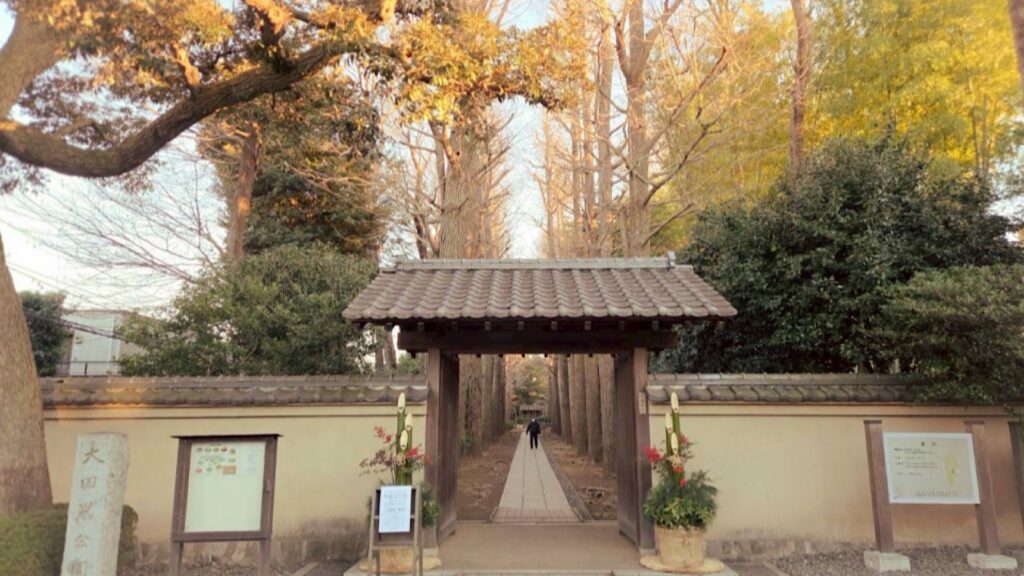
Passing through the gate, you are welcomed by tall trees standing on either side. They do not speak, of course. Yet there is something mysteriously comforting about their silent presence—simply being there.
As you walk along the stone path beneath your feet, your breathing gradually begins to slow. Visitors are few, and those who come tend to spend their time quietly. That is one of the park’s charms. Now and then, as you wander, there is a fleeting sensation that time itself has gently paused.
Watching the trees sway in the wind, you begin to feel that there is meaning even in what does not change. The trees, the earth, the stones, the water—none of them try to become anything else. They simply are. And yet, when the wind blows, the leaves tremble; when sunlight falls, the pond shimmers.
Seeing this quiet rhythm of nature, you start to think: perhaps people can be that way too.
It is when we try to change others that we grow weary. Things do not always go as we wish. But if we step back and look from a little distance, sometimes an entirely different view reveals itself.
There is a Buddhist idea called yugyō—a way of moving through life lightly, as if even hardships are part of the play of living. I sometimes imagine handling difficulties the way Mario clears a level—one small obstacle at a time. Well… no need to rush.
The trees of Otaguro Park seem to stand there as if to say, “Go ahead. We’re ready.”
I sit on a bench by the pond and take a sip of warm water from my bottle. Gazing absently at the sky, there is a curious feeling of dissolving—of the self growing thin and transparent.
Nothing extraordinary happens. And yet, in that quiet moment, it feels as though the child I once was—sleeping somewhere deep inside—comes running back to me.
So that tomorrow, I can face people again.
Otaguro Park is a place that offers that kind of reset.
(原文)
休みの日は、みんな何をしているのだろう。昼まで寝ていたり、子どもと遊んだり、恋人とデートをしたり?
正しい休日の過ごし方はよくわからないけれど、”その時の自分に合う場所”に行くのはいいと思う。
例えば、心が少し疲れているときは人に会わず、誰とも目が合わない場所が恋しくなるのではないだろうか。少なくとも私にはある。
そんな日には、大田黒公園を訪れてみるといい。
中央線・荻窪駅から歩いて10分ほど。品のある空気が漂う住宅街の中に、まるで隠れ家のように現れる日本庭園だ。
この地は、音楽評論家・大田黒元雄氏の邸宅跡。昭和のはじめ、自らが設計した庭らしい。晩年、区に寄贈され、今では杉並区が管理する公園として開放されている。
門をくぐると両側に立つ大木がお迎えしてくれる。言葉をかけるでもなく、ただそこにいてくれることで落ち着く不思議な木々だ。
足元の石畳を踏みしめながら歩いていると、少しずつ呼吸のペースが落ち着いてくる。
人影はまばらで、訪れる人も静かに過ごしているのがこの公園のいいところ。
園内を歩いていると、時間がふっと止まったように感じる瞬間がある。
風に揺れる木々を眺めていると、「変わらないこと」にも意味があるような気がしてくる。
木も土も石も水も、何も変えようとせず、ただそこに在る。
それでも風が吹けば葉は揺れ、光が射せば池はきらめく。
そんな自然の営みを見ていると、「人もそれでいい」と思えてくる。
人を変えようとするから、苦しくなる。
思いどおりにいかないことも、少し距離を置いて見つめてみると、違う景色が見えてくることがある。
昔のえらいお坊さんが説いた「遊行」という考え方のように、大変なことも人生の遊びだと思ってみる。
マリオみたいにひとつひとつ軽くクリアしていけたらいいんだけどな。
まぁ焦らずいこう。
大田黒公園の木々が、どんとこい、と言わんばかりに立っている。
池のほとりのベンチに腰をおろし、ペットボトルの白湯を飲む。
ぼーっと空を見ていると、自分がなくなる感覚が面白い。
何も特別なことはないけれど、今この瞬間、心の中に眠っていた子どもの頃の私が、駆け足で戻ってきた気がした。
また明日、人と向き合うために。
そんなリセットの時間をくれる場所が、大田黒公園だ。